Today
20
in History
26
January
February
March
April
May
June
July
August
September
October
November
December
01
Sun
02
Mon
03
Tue
04
Wed
05
Thu
06
Fri
07
Sat
08
Sun
09
Mon
10
Tue
11
Wed
12
Thu
13
Fri
14
Sat
15
Sun
16
Mon
17
Tue
18
Wed
19
Thu
20
Fri
21
Sat
22
Sun
23
Mon
24
Tue
25
Wed
26
Thu
27
Fri
28
Sat
29
Sun
30
Mon
31
Tue
...
03-17-1990
Lithuania rejects Soviet demand to renounce its independence
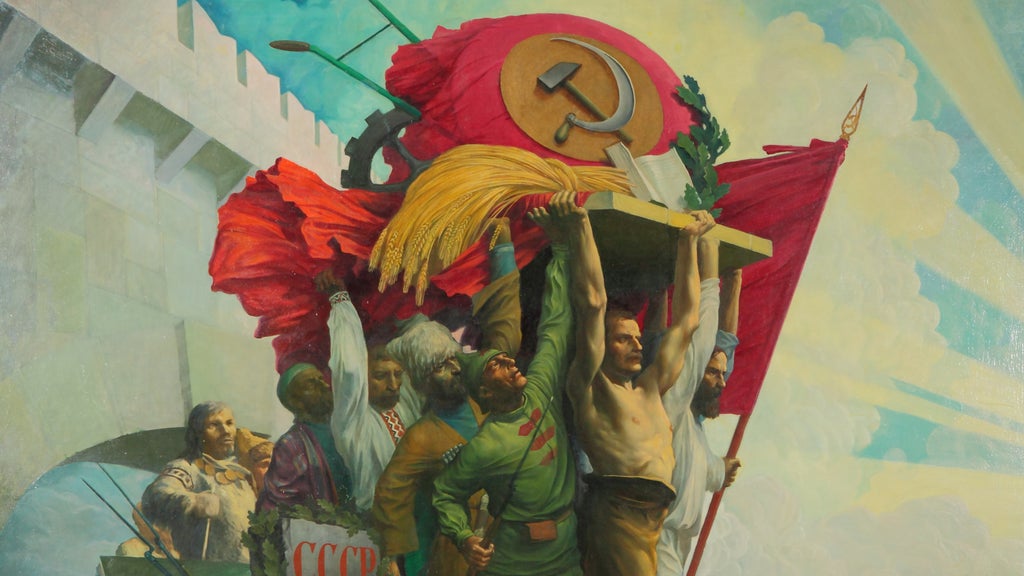
The former Soviet Socialist Republic of Lithuania steadfastly rejects a demand from the Soviet Union that it renounce its declaration of independence. The situation in Lithuania quickly became a sore spot in U.S.-Soviet relations.
The Soviet Union had seized the Baltic state of Lithuania in 1939. Lithuanians complained long and loud about this absorption into the Soviet empire, but to no avail. Following World War II, Soviet forces did not withdraw and the United States made little effort to support Lithuanian independence. There matters stood until 1985 and the rise of Mikhail Gorbachev as leader of the Soviet Union. In 1989, as part of his policy of loosening political repression in the Soviet empire and improving relations with the West, Gorbachev repudiated the Brezhnev Doctrine of 1968, which stated that the Soviet Union was justified in using force to preserve already existing communist governments. Lithuanian nationalists took the repudiation of the Brezhnev Doctrine as a signal that a declaration of independence might be accepted.
On March 11, 1990, Lithuania declared that it was an independent nation, the first of the Soviet republics to do so. It had, however, overestimated Gorbachev’s intentions. The Soviet leader was willing to let communist governments in its satellites fall to democratic movements, but this policy did not apply to the republics of the Soviet Union. The Soviet government responded harshly to the Lithuanian declaration of independence and issued an ultimatum: renounce independence or face the consequences. On March 17, the Lithuanians gave their answer, rejecting the Soviet demand and asking that “democratic nations” grant them diplomatic recognition.
The Soviets had not been bluffing. The Soviet government insisted that it still controlled Lithuania, Gorbachev issued economic sanctions against the rebellious nation, and Soviet troops occupied sections of the capital city of Vilnius. In January 1991, the Soviets launched a larger-scale military operation against Lithuania. Many in the United States were horrified, and the U.S. Congress acted quickly to end economic assistance to the Soviet Union. Gorbachev was incensed by this action, but his powers in the Soviet Union were quickly eroding. In December 1991, 11 of the Soviet Socialist Republics proclaimed their independence and established the Commonwealth of Independent States. Just a few days after this action, Gorbachev resigned as president and what was left of the Soviet Union ceased to exist.
More news today
loading...