Today
20
in History
26
January
February
March
April
May
June
July
August
September
October
November
December
01
Fri
02
Sat
03
Sun
04
Mon
05
Tue
06
Wed
07
Thu
08
Fri
09
Sat
10
Sun
11
Mon
12
Tue
13
Wed
14
Thu
15
Fri
16
Sat
17
Sun
18
Mon
19
Tue
20
Wed
21
Thu
22
Fri
23
Sat
24
Sun
25
Mon
26
Tue
27
Wed
28
Thu
29
Fri
30
Sat
31
Sun
...
05-15-1942
Seventeen states put gasoline rationing into effect
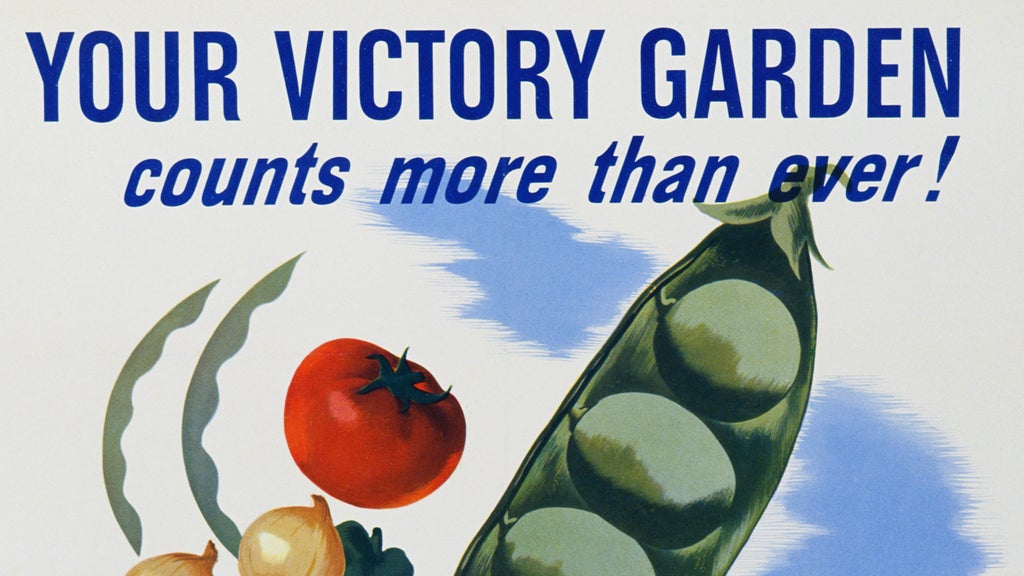
On May 15, 1942, gasoline rationing begins in 17 Eastern states as an attempt to help the American war effort during World War II. By the end of the year, President Franklin D. Roosevelt had ensured that mandatory gasoline rationing was in effect in all 48 states.
America had been debating its entrance into World War II until the Japanese attack on Pearl Harbor on December 7, 1941. The following day, Congress almost unanimously approved Roosevelt’s request for a declaration of war against Japan and three days later Japan’s allies Germany and Italy declared war against the United States. On the home front, ordinary Americans almost immediately felt the impact of the war, as the economy quickly shifted from a focus on consumer goods into full-time war production. As part of this transformation, women went to work in the factories to replace enlisted men, automobile factories began producing tanks and planes for Allied forces and households were required to limit their consumption of such products as rubber, gasoline, sugar, alcohol and cigarettes.
Rubber was the first commodity to be rationed, after the Japanese invasion of the Dutch East Indies cut off the U.S. supply; the shortage of rubber affected the availability of products such as tires. Rationing gasoline, it was reasoned, would conserve rubber by reducing the number of miles Americans drove. At first, the government urged voluntary gasoline rationing, but by the spring of 1942 it had become evident that these efforts were insufficient. In mid-May, the first 17 states put mandatory gasoline rationing into effect, and by December, controls were extended across the entire country.
Ration stamps for gasoline were issued by local boards and pasted to the windshield of a family or individual’s automobile. The type of stamp determined the gasoline allotment for that automobile. Black stamps, for example, signified non-essential travel and mandated no more than three gallons per week, while red stamps were for workers who needed more gas, including policemen and mail carriers. As a result of the restrictions, gasoline became a hot commodity on the black market, while legal measures of conserving gas—such as carpooling—also flourished. In a separate attempt to reduce gas consumption, the government passed a mandatory wartime speed limit of 35 mph, known as the “Victory Speed.”
More news today
loading...